
Wellness Strategies for Seniors: Staying Active and Independent
Aging is a natural process, but staying active and independent can make a world of difference in the quality of life for seniors. As we grow older, maintaining physical health, mental well-being, and social engagement becomes essential to leading a fulfilling life. In this blog, we will explore the best wellness strategies to help seniors remain active, independent, and in control of their lives. The Importance of Staying Active in Old Age Regular physical activity is crucial for seniors to maintain mobility, flexibility, and well-being. A sedentary lifestyle can lead to muscle weakness, joint pain, and an increased risk of chronic conditions like diabetes and heart disease. Benefits of Staying Active: Improves balance and reduces fall risk. Enhances cardiovascular health. Strengthens muscles and bones. Boosts mood and reduces stress. Supports cognitive function and memory retention. Simple Exercises to Stay Fit and Mobile Exercise doesn’t have to be strenuous to be effective. Low-impact activities can significantly improve strength, flexibility, and endurance. Recommended Activities for Seniors: Walking: A simple yet effective way to stay active and maintain joint flexibility. Chair Yoga: Enhances flexibility and reduces stress without putting strain on joints. Strength Training: Using light weights or resistance bands to strengthen muscles. Swimming: A great full-body workout that is easy on the joints. Stretching Exercises: Helps prevent stiffness and maintains mobility. Encouraging seniors to engage in daily physical activities tailored to their abilities can help them retain their independence for longer. Nutrition: The Key to Healthy Aging Proper nutrition plays a vital role in maintaining energy levels and preventing chronic diseases in seniors. Essential Nutrients for Seniors: Protein: Helps maintain muscle mass and strength (found in eggs, lean meats, and dairy). Calcium & Vitamin D: Essential for bone health (found in dairy, green leafy vegetables, and fortified cereals). Omega-3 Fatty Acids: Reduces inflammation and supports brain health (found in fish, nuts, and seeds). Fiber: Aids digestion and prevents constipation (found in fruits, vegetables, and whole grains). Hydration: Drinking sufficient water is key to preventing dehydration and maintaining overall health. Encouraging seniors to consume a well-balanced diet can prevent nutritional deficiencies and enhance their quality of life. Mental Well-Being and Emotional Health Mental health is just as important as physical health. Depression, anxiety, and loneliness are common among seniors, but they can be managed with the right strategies. Ways to Maintain Mental Well-Being: Social Engagement: Staying connected with family, friends, and community groups. Mindfulness & Meditation: Reduces stress and improves emotional resilience. Hobbies & Learning: Engaging in new activities like reading, painting, or playing an instrument stimulates the brain. Cognitive Exercises: Solving puzzles, learning a new language, or playing memory-enhancing games. Seeking Professional Help: Consulting a therapist or counselor when needed. Encouraging seniors to stay mentally engaged can significantly enhance their emotional well-being and independence. Home Safety and Fall Prevention Falls are one of the leading causes of injury among seniors. Making a home environment safer can prevent accidents and help seniors live independently. Tips for Fall Prevention: Remove clutter and ensure clear walking paths. Install grab bars in bathrooms and stair railings. Improve lighting to reduce the risk of tripping. Use non-slip mats and wear supportive footwear. Arrange furniture to allow easy mobility with a walker or cane if needed. By making small adjustments at home, seniors can continue to live safely and independently. The Role of Healthcare Support in Senior Wellness Access to healthcare services, including regular check-ups and home care, is essential for seniors to maintain their independence. Healthcare Tips for Seniors: Schedule regular health check-ups. Take medications as prescribed. Opt for home nursing services when needed. Monitor chronic conditions like diabetes and hypertension. Seek professional physiotherapy to manage mobility issues. Healthcare support ensures that seniors receive the necessary care while maintaining their autonomy. Staying Socially Connected Isolation and loneliness can negatively impact a senior’s well-being. Staying socially active is crucial for emotional and mental health. Ways to Stay Connected: Join local senior groups or clubs. Participate in online communities or social media. Volunteer in community services. Arrange regular family meet-ups. Consider adopting a pet for companionship. Social engagement enhances the overall well-being and happiness of seniors, keeping them mentally and emotionally strong. Fitness Tips for Seniors to Stay Active and Independent Regular exercise is one of the most effective senior strategies for maintaining mobility and independence. Activities like walking, yoga, and strength training can improve balance and reduce the risk of falls. Nutrition for Healthy Aging A balanced diet is essential for seniors to stay active and independent. Focus on nutrient-rich foods like fruits, vegetables, lean proteins, and whole grains. Mental Well-Being and Home Safety Mental health is just as important as physical health. Stay socially engaged, practice mindfulness, and ensure your home is safe to prevent accidents. By following these senior strategies, you can maintain an active and independent lifestyle. Curagers supports senior care with expert home nursing and physiotherapy services. Conclusion Staying active and independent in old age is possible with the right approach to wellness. By incorporating physical activity, balanced nutrition, mental health support, and a safe living environment, seniors can lead fulfilling and healthy lives. At Curagers, we understand the importance of holistic senior care. Our home nursing services, physiotherapy, and wellness programs are designed to empower seniors to maintain their independence while receiving the best possible care. Prioritize wellness today for a healthier tomorrow! For more information, check out the CDC’s guidelines on physical activity for seniors and the National Institute on Aging’s tips on healthy eating.
World Brain Tumor Day: Raising Awareness and Hope
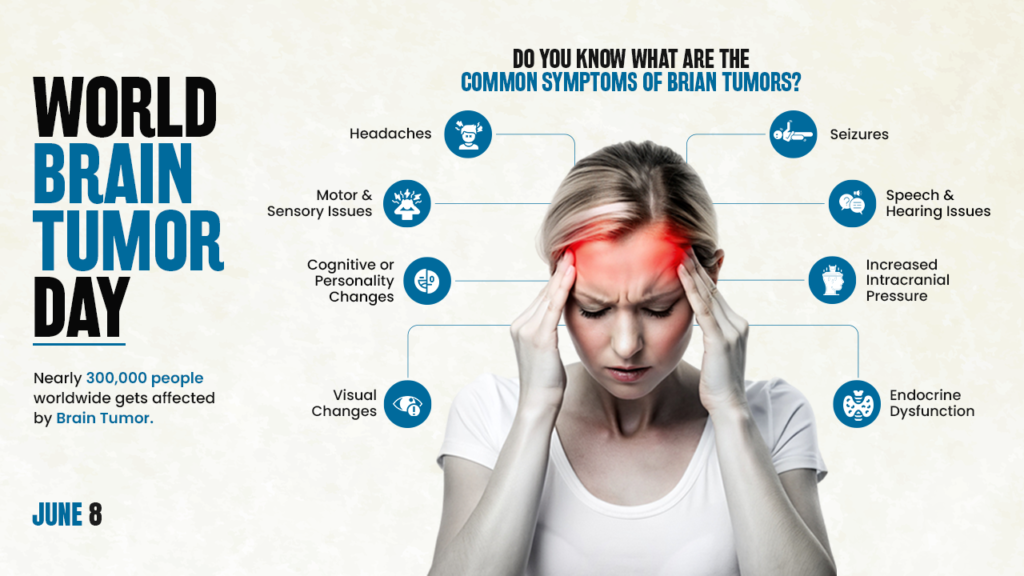
Understanding Brain Tumors Brain tumors, which can be either malignant (cancerous) or benign (non-cancerous), affect thousands of individuals worldwide each year. According to the World Health Organization (WHO), brain and central nervous system tumors account for approximately 2% of all cancers globally, with nearly 300,000 new cases diagnosed annually. These tumors can significantly impair cognitive and physical functions, impacting quality of life and requiring comprehensive medical care. Symptoms and Diagnosis Symptoms of brain tumors can vary widely depending on the tumor’s size, location, and growth rate. Common symptoms include persistent headaches, seizures, vision or hearing problems, and changes in behavior or cognitive abilities. Early diagnosis is critical for effective treatment. Diagnostic tools such as MRI, CT scans, and biopsies are employed to accurately identify and assess brain tumors. Treatment Options Treatment for brain tumors typically involves a combination of surgery, radiation therapy, and chemotherapy. Advances in medical technology have led to more precise and less invasive surgical techniques, improving outcomes for many patients. Additionally, targeted therapies and immunotherapies are being explored as promising treatment options, aiming to attack cancer cells while sparing healthy tissue. Support and Resources Support for brain tumor patients and their families is crucial. Organizations such as the American Brain Tumor Association and Brain Tumour Foundation of Canada provide resources, support groups, and educational materials to help patients navigate their diagnosis and treatment journey. Emotional and psychological support, along with practical assistance, can significantly enhance the quality of life for those affected. Conclusion World Brain Tumor Day highlights the critical need for awareness, research, and support for brain tumor patients and their families. However, by recognizing the challenges faced by those affected and advocating for increased funding and research, a future with better treatment options and improved outcomes can be envisioned. Collective efforts can make a significant difference in the lives of individuals battling brain tumors, offering them hope and a chance for a brighter future.
Home Health Care is Trending: Here’s Why It’s the Future!
Long ago, before hospitals became widespread, doctors often visited patients in the comfort of their own homes. Today, with amazing medical technology and a growing desire for comfortable care, this practice is making a big comeback! In fact, the Indian home healthcare market is projected to hit $5.5 billion by 2027, with a growth rate of 24.4% annually. https://www.businesstoday.in/latest/corporate/story/why-there-is-a-growing-trend-in-digital-home-healthcare-and-specialized-physiotherapy-services-412300-2024-01-08 This trend of receiving health care at home is becoming more and more popular. Let’s dive in and explore why home health care is shaping the future of how we get well. Demographic Trends By 2051, around 298 million people in India will be older, making up about 17% of the total population. This means more people will need extra care as they get older. And that’s where elder care in home comes in. With so many older folks needing help, there’s a big demand for services that can give them the care they need right in their own homes. It’s not just India that’s facing this trend. All around the world, populations are aging. That means more and more people are going to need some extra help to stay healthy and happy as they get older. Home health care is a solution that’s becoming more popular because it lets older adults get the care they need while still enjoying the familiarity and comfort of their own home. Advantages of Home Health Care In home health care, one of the big pluses is how it’s all about you. Think about it: you’re in your own place, surrounded by things you love, and you get care that’s made just for you. Whether it’s help with medications, getting dressed, or even just having someone to talk to, home health care is like having a personal assistant for your health needs right where you live. And that’s not all. Because it’s your space, you feel more comfy and relaxed. No noisy hospital rooms or strange smells—just the cozy familiarity of home. But wait, there’s more good news. Home health care services are also lighter on your wallet. Well, how, you may ask? That’s because hospitals are pricey places and when you get care at home, you’re not paying for all that extra stuff. Looking Ahead Considering the growing interest and demand for home health care, it’s exciting to peek into the future and see what’s ahead. One big area we’re expecting to see more progress in is technology. Things like smart sensors that can detect changes in your vital signs and send alerts to your doctor if something seems off. Then there’s the idea of personalized medicine when treatments are tailored specifically to you based on your genes, lifestyle, and other factors. Conclusion The rise of home health care is a positive change for patients everywhere. If you or a loved one could benefit from this type of care, don’t hesitate to talk to your doctor. Let’s embrace this trend and build a future where quality health care meets comfort.
The Importance of Embracing Home Health Care Services
In today’s fast-paced world, prioritizing health care has become more crucial than ever. With the rise of chronic illnesses and an aging population, the demand for accessible and personalized health care solutions is on the rise. Home health care services stand at the forefront, offering a compassionate and tailored approach to meeting individuals’ unique needs in the comfort of their own homes. The Rise of Home Health Care In recent years, home health care has gained significant traction as a viable alternative to traditional hospital or clinic-based care. It offers a personalized approach to healthcare delivery, allowing individuals to receive medical attention and support services in the comfort of their own homes. Understanding the Need The significance of home health care services cannot be overstated, especially when considering the diverse needs of individuals across different age groups and health conditions. From seniors requiring assistance with daily activities to patients recovering from surgeries or managing chronic illnesses, the spectrum of individuals benefiting from home health care is vast. Catering to Diverse Needs One of the most significant advantages of home health care is its ability to cater to a wide range of needs. From post-surgery recovery to chronic illness management, home health care services encompass various medical and non-medical assistance. Whether it’s administering medication, wound care, physiotherapy, or simply companionship, skilled professionals ensure that every aspect of a patient’s well-being is addressed comprehensively. Promoting Independence and Dignity Beyond addressing medical needs, home health care promotes independence and dignity. For many individuals, the familiarity and security of their home environment play a crucial role in their recovery journey. By receiving care at home, patients maintain a sense of control over their lives, empowering them to participate actively in their treatment and daily routines. This holistic approach to care promotes not only physical health but also mental and emotional well-being. Enhanced Quality of Life Home health care goes beyond mere medical intervention; it enhances the overall quality of life for patients and their families. By eliminating the stress and inconvenience of frequent hospital visits, it allows individuals to focus on healing and enjoying meaningful moments with loved ones. Moreover, the emotional support provided by caregivers fosters a sense of companionship and belonging, mitigating feelings of loneliness and isolation. Cost-Effective and Efficient In addition to its numerous benefits, home health care proves to be a cost-effective and efficient healthcare solution. By reducing hospital readmissions and minimizing the need for prolonged institutional care, it alleviates the financial burden on patients and healthcare systems alike. Furthermore, with advancements in technology, remote monitoring and telemedicine services further streamline the delivery of care, ensuring timely intervention and proactive management of health conditions. Conclusion In conclusion, home health care services play a pivotal role in today’s healthcare landscape by offering a human-centric approach to meeting individuals’ diverse needs. From enhancing independence to improving health outcomes, the benefits of home-based care are vast and undeniable. By embracing these services, individuals can receive the support they need while maintaining their sense of dignity and autonomy. Let’s prioritize our health and well-being by embracing the comfort and convenience of home health care services.